Here is the pain point: heat risk changes hour by hour, but many teams still review controls once per day. That gap is where incidents happen.
This guide is built for real field use. Fast checks, clear thresholds, and no spreadsheet gymnastics.
What Changed Recently (And Why It Matters)
As of February 27, 2026, the compliance signal is clear: heat programs are getting stricter, and the paper trail matters more.
- NOAA reported 2025 as Earth's second-warmest year on record.
- OSHA's proposed Heat Injury and Illness Prevention Rule moved into public hearings on June 16, 2025.
- NIOSH updated its Heat Safety Tool App on January 29, 2026 with bilingual support and stronger planning features.
Personal Experience #1: A Reliable Field Story
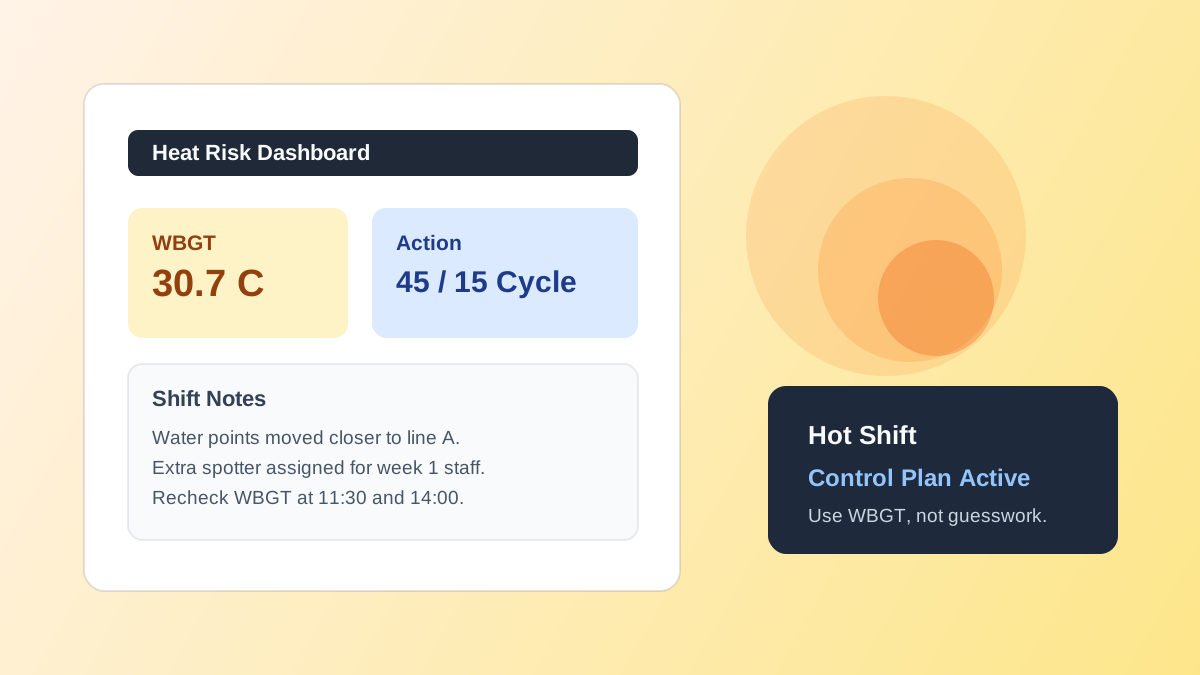
Pro Tip: Never run heat controls from yesterday's reading. Recheck WBGT before the hottest block of each shift and after task changes.
The Fastest Way to Remove Guesswork
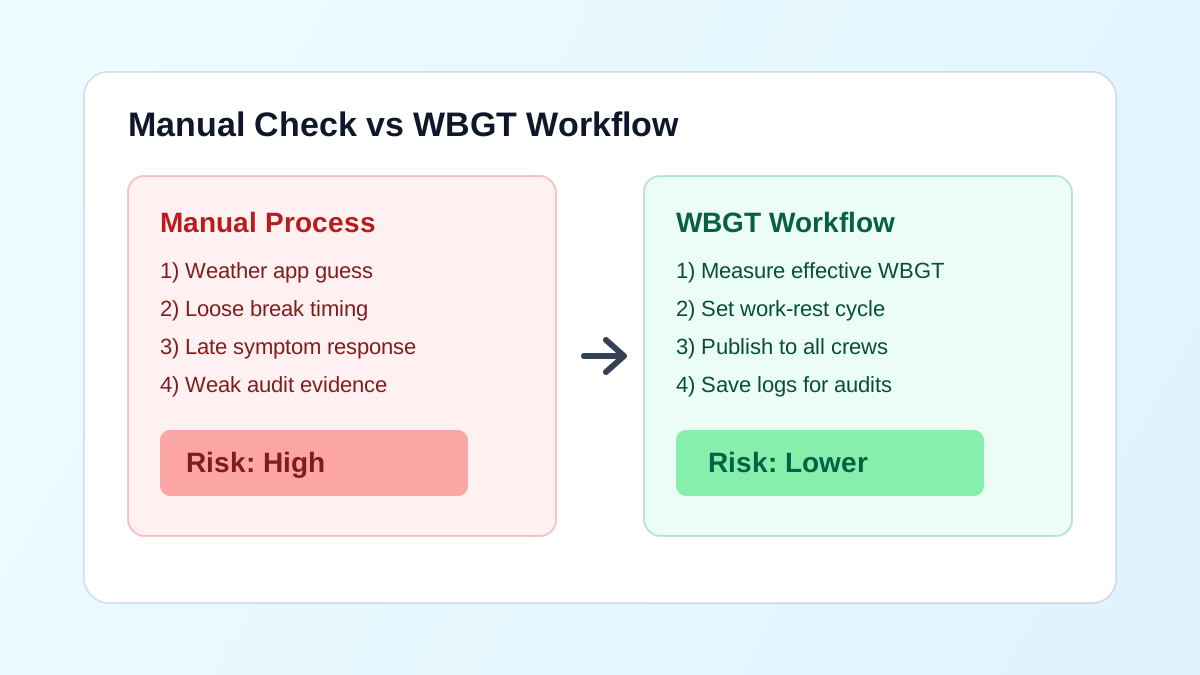
The old method is slow: check weather, guess clothing impact, and debate break timing on the floor.
The better method is one workflow: evaluate effective WBGT, map workload, and publish a clear schedule in minutes using one consistent heat-stress scheduler.
| Approach | Time per check | Data quality | Audit confidence |
|---|---|---|---|
| Air Temp + Gut Feel | 10-20 min | Low | Fragile |
| Spreadsheet Workflow | 8-12 min | Medium | Mixed |
| Web Ocean Tool Stack | 2-3 min | High | Strong |
Personal Experience #2: The Cost of Late Escalation
7-Step Heat Playbook You Can Run Today
- Set your measurement points before shift kickoff.
- Take baseline WBGT and log clothing adjustments.
- Classify workload honestly, not optimistically.
- Generate work-rest output with the WBGT tool.
- Publish break windows where everyone can see them.
- Track supporting risks like air movement with the ACH guide.
- Capture shift evidence in your log using the same timestamped evidence pattern every day.
Pro Tip: Acclimatization failures spike in the first week after role changes. Flag those workers early and assign the strictest schedule tier first.
Personal Experience #3: Better Briefings, Better Compliance
Turn Heat Policy Into Daily Execution
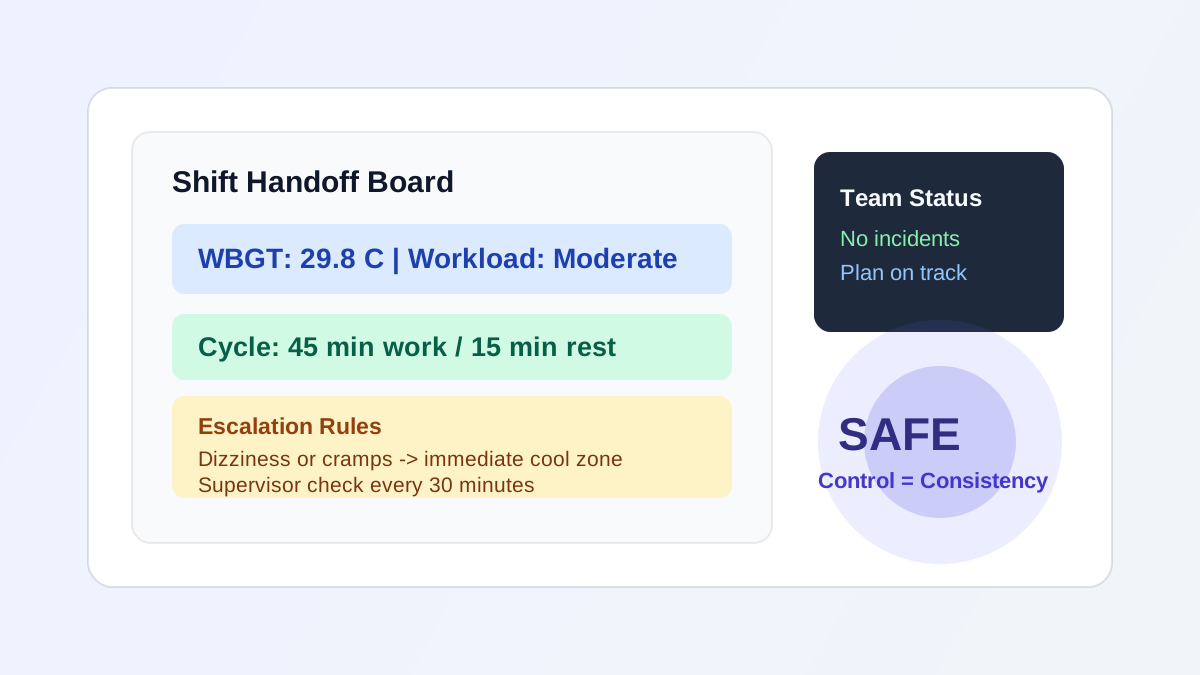
Heat safety programs fail when guidance is vague. They work when every crew gets a clear, timed, and measurable instruction.
If you want fewer incidents and smoother audits, make one tool-based workflow your standard for every hot shift.
Primary Action
Run the Heat Stress Scheduler for the next hot shift.
Support Workflow
Keep one simple support workflow for records and briefings.
Ready to set your next safe shift?
Launch the calculator, publish your schedule, then share what worked in the comments so others can improve faster.
Start WBGT SchedulingPrefer field data reviews? Comment with your toughest shift scenario and I will suggest a control sequence.
Meta Description (140 chars): Stop heat incidents before they stop your shift. Use this 2026 WBGT playbook, avoid audit failures and run safe schedules with one tool now.