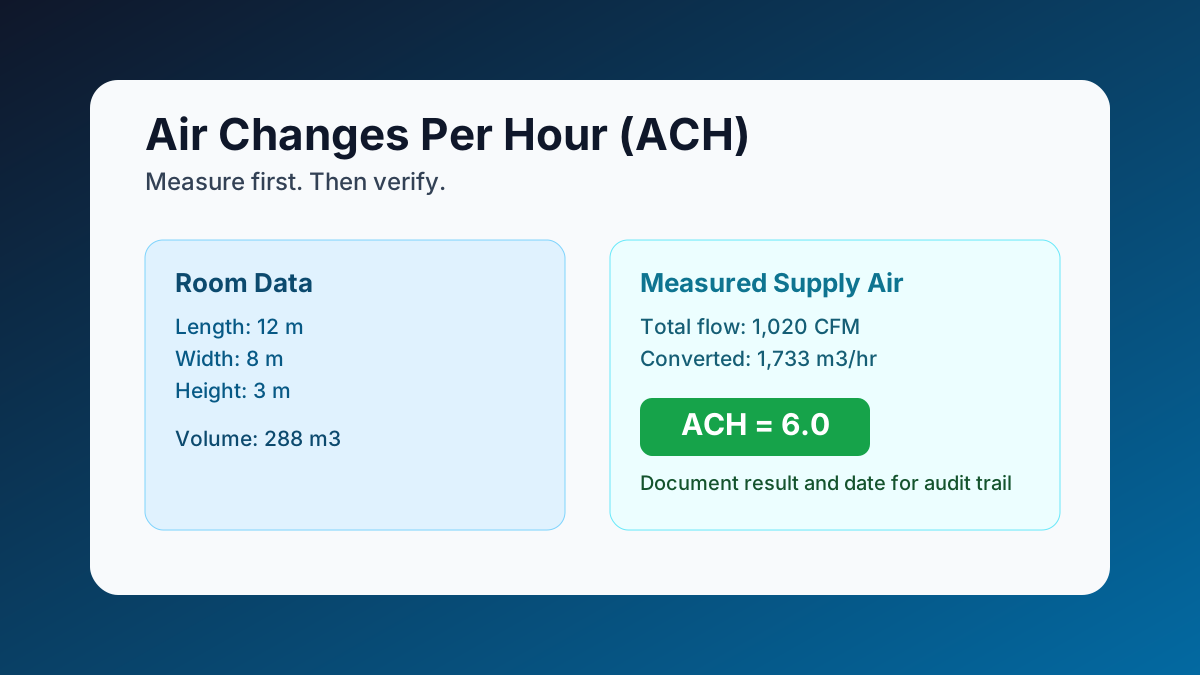
Here is the practical question: how many times does room air get replaced each hour? That number is your ACH, and it should be documented.
The process is simple when your units are clean. Most mistakes come from mixed CFM and cubic meter values, not from hard math.
Personal Experience #1
Pro Tip: Use measured supply airflow, not equipment nameplate values. Real flow can be far lower after duct losses and filter loading.
The Formula That Trips Most Teams
ACH = total airflow per hour divided by room volume.
Convert units once, then keep one consistent format for all rooms. That one habit prevents most documentation errors.
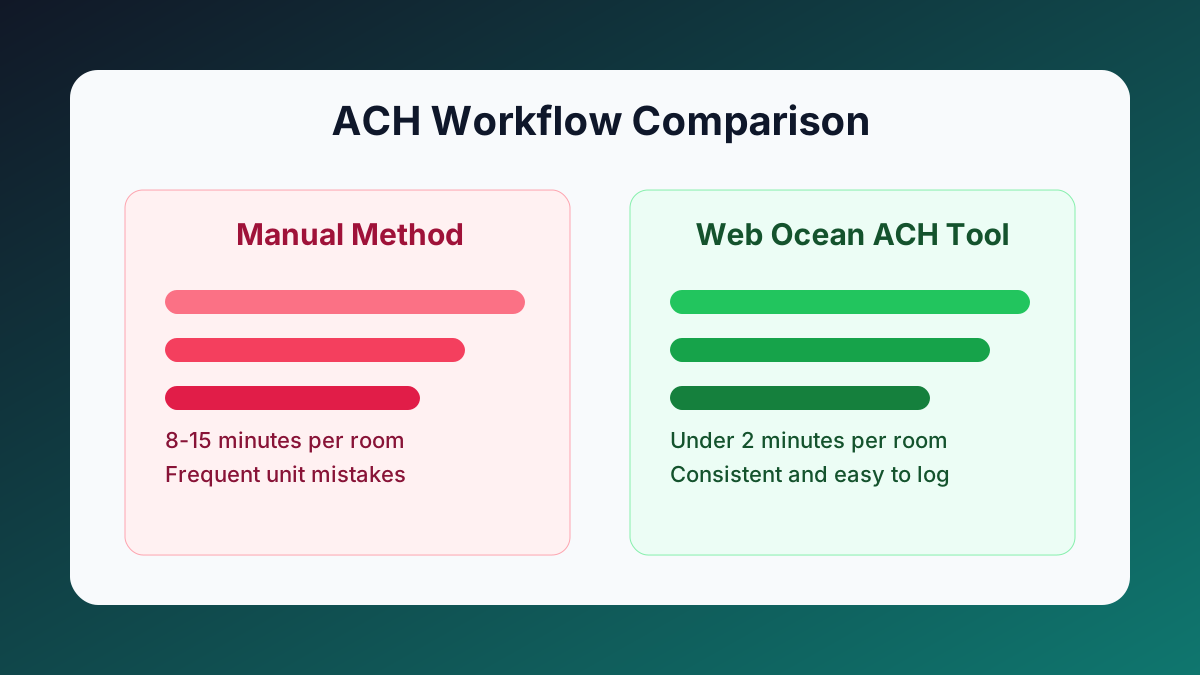
| Method | Speed | Error Rate | Audit Readiness |
|---|---|---|---|
| Paper and Pencil | Slow | High (unit mix-ups) | Low |
| Spreadsheet Template | Medium | Medium (formula errors) | Medium |
| Web Ocean ACH Tool | Instant | Low | High |
Personal Experience #2
How to Calculate ACH in 3 Steps
Use this short workflow on every room:
- Measure room volume: length x width x height.
- Measure total supply airflow: sum CFM from all supply points.
- Run the calculation: use the ACH calculator.
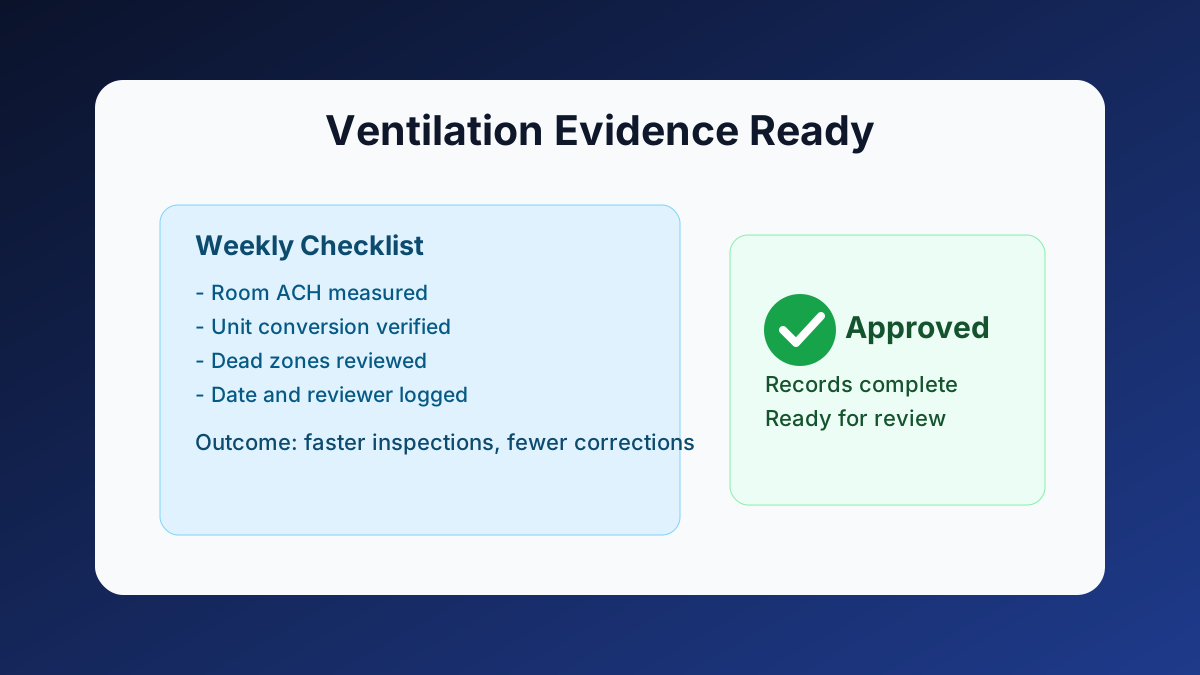
Record date, room ID, and measured values for your audit trail.
Pro Tip: High ACH does not guarantee clean breathing zones. Always verify air distribution to avoid dead spots near workstations.
Personal Experience #3
Build a Repeatable Ventilation Workflow
Ventilation is not guesswork. It is measured airflow plus consistent records.
Run ACH checks on schedule, then connect findings to related controls in your log system.
Related Tool
Improve gas monitor documentation →Related Guide
Pair ACH checks with a clear heat-stress field playbook.
Check Your Air Quality Now
Calculate ACH in seconds and document each reading with confidence.
Launch ACH CalculatorMeta Description (140 chars): Use this ACH guide to verify airflow, avoid unit errors, and document ventilation checks, with audit-ready clarity in minutes on each shift.