Latest Context That Changed My Checklist
- OSHA started 2025 ITA collection on January 2, 2026, and set March 2, 2026 as the primary due date.
- On February 9, 2026, OSHA issued a letter of interpretation covering lithium-ion battery hazard obligations.
- BLS released 2024 fatal work injury data on February 19, 2026: 5,070 fatalities, down 3.7% year over year.
- BLS also reported about 2.6 million nonfatal private-industry cases for 2024 on January 22, 2026.
The Error Codes I Kept Seeing
These were not theoretical bugs. They were the exact lines from my pre-submit validator.
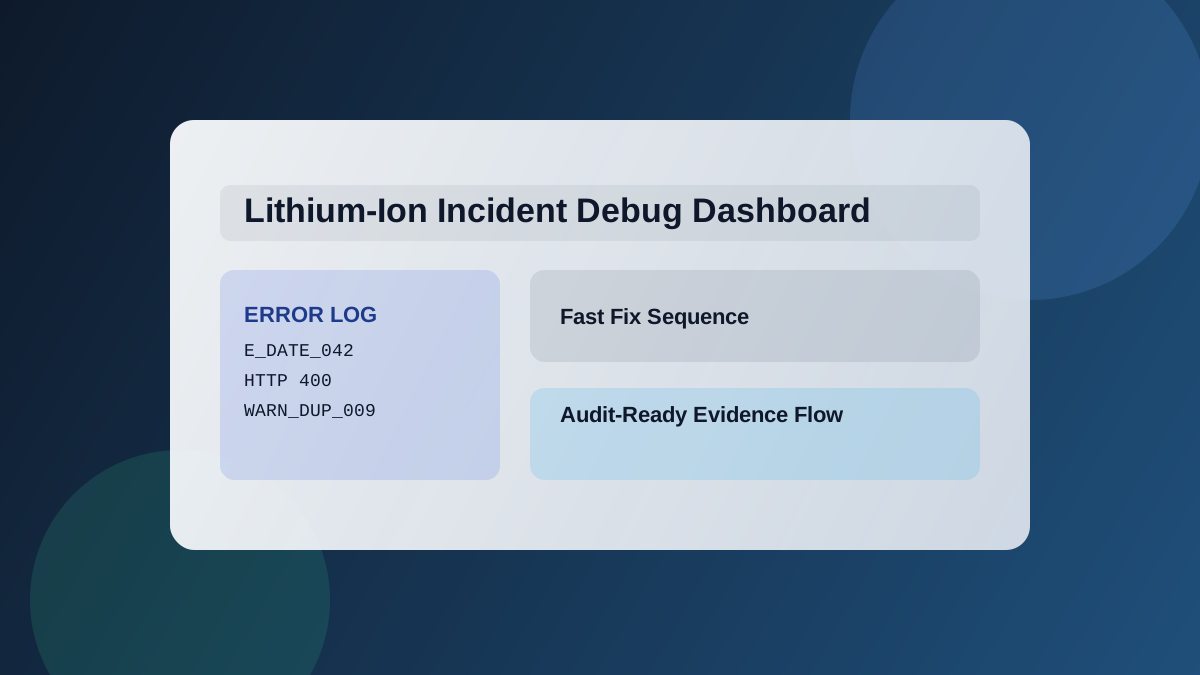
[BATTERY_LOG] E_DATE_042: expected YYYY-MM-DD, got 03/7/26
[BATTERY_LOG] E_FIELD_118: establishment_naics is required
[BATTERY_LOG] WARN_DUP_009: duplicate incident_id BATT-2417
[SUBMIT] HTTP 400 Bad Request: invalid injury_case_status value
Personal Experience #1: A Small Warehouse Story
Last summer, I supported a 90-person warehouse after a battery charging area near-miss. Their records looked complete, but one event existed in three systems with different timestamps. We reconciled the timeline in one afternoon, and the final report stopped bouncing between operations and HR.
Pro Tip: If timestamps disagree, trust the source closest to the event, then document why you overrode the others.
My 8-Step Debug Workflow
- Freeze edits and export one snapshot for traceability.
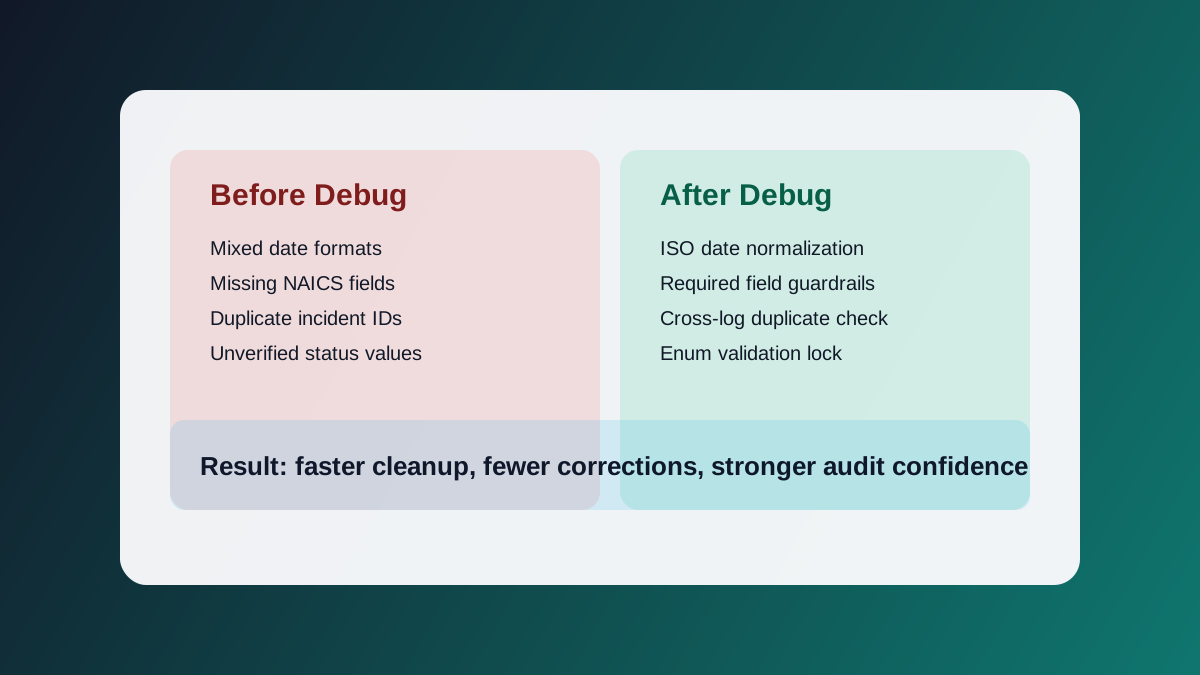
- Normalize all dates to ISO before any case-level review.
- Lock enum values for case status and severity tags.
- Run duplicate checks across shift logs and incident forms.
- Validate area conditions against your ACH records.
- Cross-check gas and atmosphere details in your Gas Monitor Log.
- Review high-heat battery zones using your Heat Stress workflow.
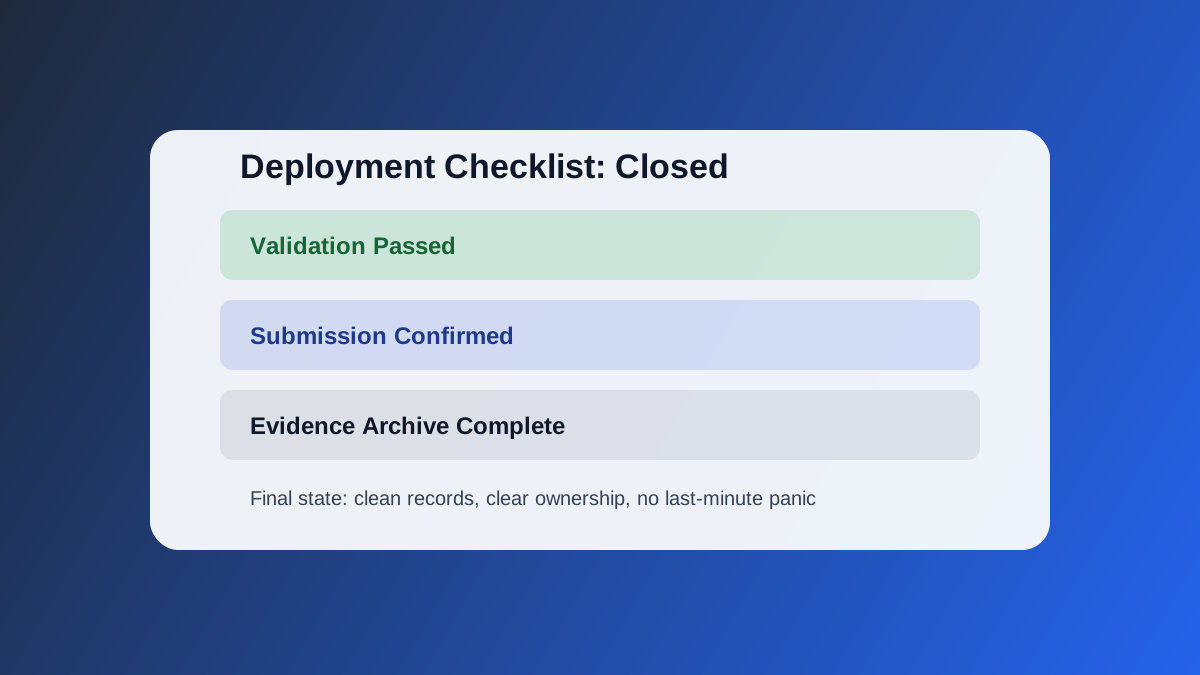
- Submit once, then archive all corrections as evidence notes.
| Data handling mode | Cleanup time per incident | Common failure | Inspection confidence |
|---|---|---|---|
| Shared sheet only | 12-18 min | Version conflicts | Low |
| Checklist plus manual logs | 7-10 min | Missed cross-source duplicates | Medium |
| Web Ocean structured workflow | 3-5 min | Low with input locks | High |
Personal Experience #2: The Bug Was in My Assumption
I once blamed an upload endpoint for rejecting a file. The endpoint was correct. My parser accepted "03/7/26" in dev mode, then failed in production where strict ISO was required. I switched to one date standard and the issue disappeared.
Pro Tip: Treat validation warnings as defects, not suggestions, when battery events involve fire or thermal risk.
Patch That Improved Reliability
I added one guardrail layer before export so invalid rows are blocked early and visibly.
const normalized = rows.map((row) => ({
  ...row,
  incident_date: toISODate(row.incident_date),
  injury_case_status: normalizeStatus(row.injury_case_status),
  establishment_naics: row.establishment_naics?.trim(),
}));

assertRequired(normalized, ['incident_date', 'injury_case_status', 'establishment_naics']);
Personal Experience #3: Process Beat Heroics
The biggest win was not a complex script. It was assigning one owner per shift to close unresolved log fields before handover. That simple rule cut correction loops and made weekly reviews much calmer.
My Opinion After Repeating This Across Sites
Teams do not fail because they lack dashboards. They fail because logging discipline is inconsistent at the edge where events happen.
The most reliable pattern I have seen is simple: standardize inputs, validate early, then keep one digital trail from incident to closure.
Source Links
- OSHA Injury Tracking Application
- OSHA Letter of Interpretation (Feb 9, 2026)
- BLS CFOI Release (Feb 19, 2026)
- BLS IIF Release (Jan 22, 2026)
Want cleaner incident logs before your next review?
Start with one structured workflow and share your hardest validation bug in the comments.
Start My Log WorkflowMeta Description (140 chars): Fix lithium battery incident logs with this 8-step 2026 workflow so dates, duplicates, and missing fields stop failing before audits arrive.